
A river world in North Africa
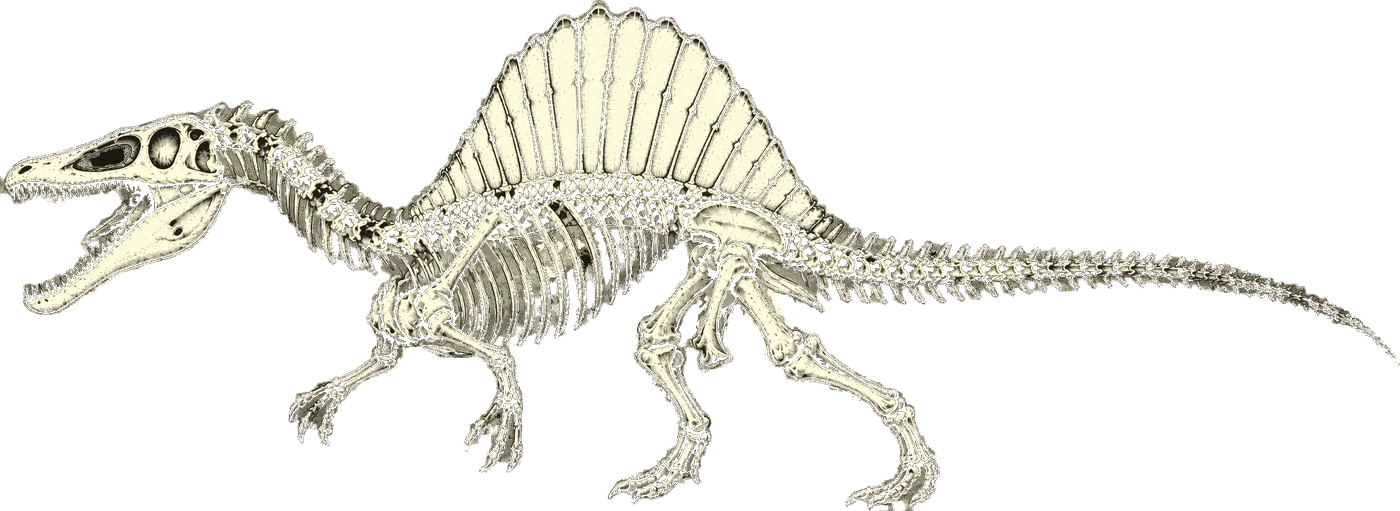
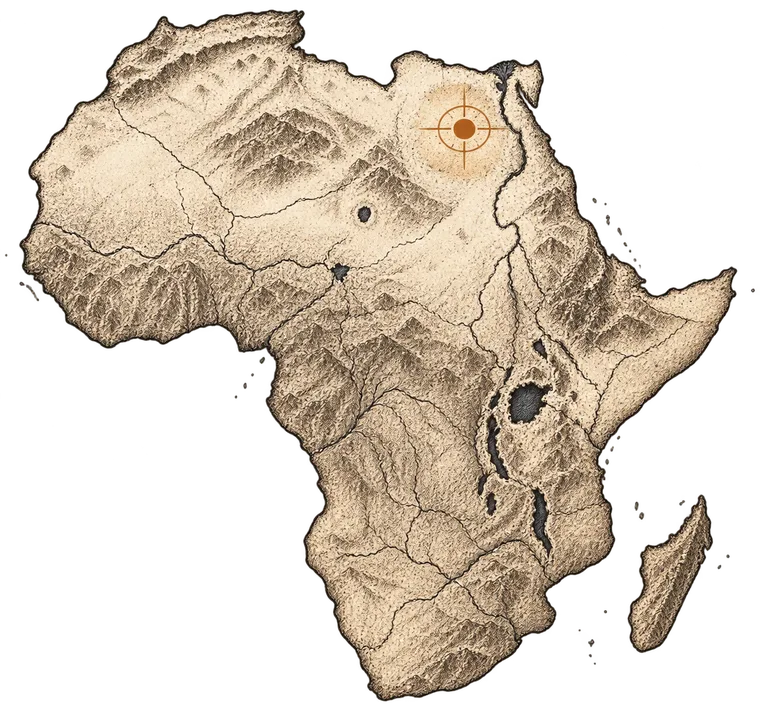
About 99 million years ago, the Sahara was not a desert but a huge network of rivers, channels and coastal deltas. This watery landscape suited a giant fish-eater perfectly, and it is exactly where Spinosaurus lived, hunting in and around the water rather than roaming dry plains.
Where the fossils come from
Two places dominate. The Bahariya Formation of Egypt is where Ernst Stromer first found Spinosaurus bones from 1912. Decades later, the Kem Kem beds of Morocco produced the newer skeleton described in 2014 and the famous paddle tail reported in 2020. Both preserve the same lost river world.
The neighbours
Spinosaurus shared this world with car-sized coelacanths and sawfish, giant crocodile relatives, and other huge predators such as Carcharodontosaurus. By specialising in fish, Spinosaurus could live alongside these land hunters without competing directly for the same food.