The Fossil Record
The Discovery
A German Names the Largest Predator the World Has Seen
Prof. Ernst Stromer returns from the Egyptian desert with the bones of a sail-backed giant he calls “Spinosaurus,” longer than any flesh-eater yet known
By our Palaeontology Correspondent
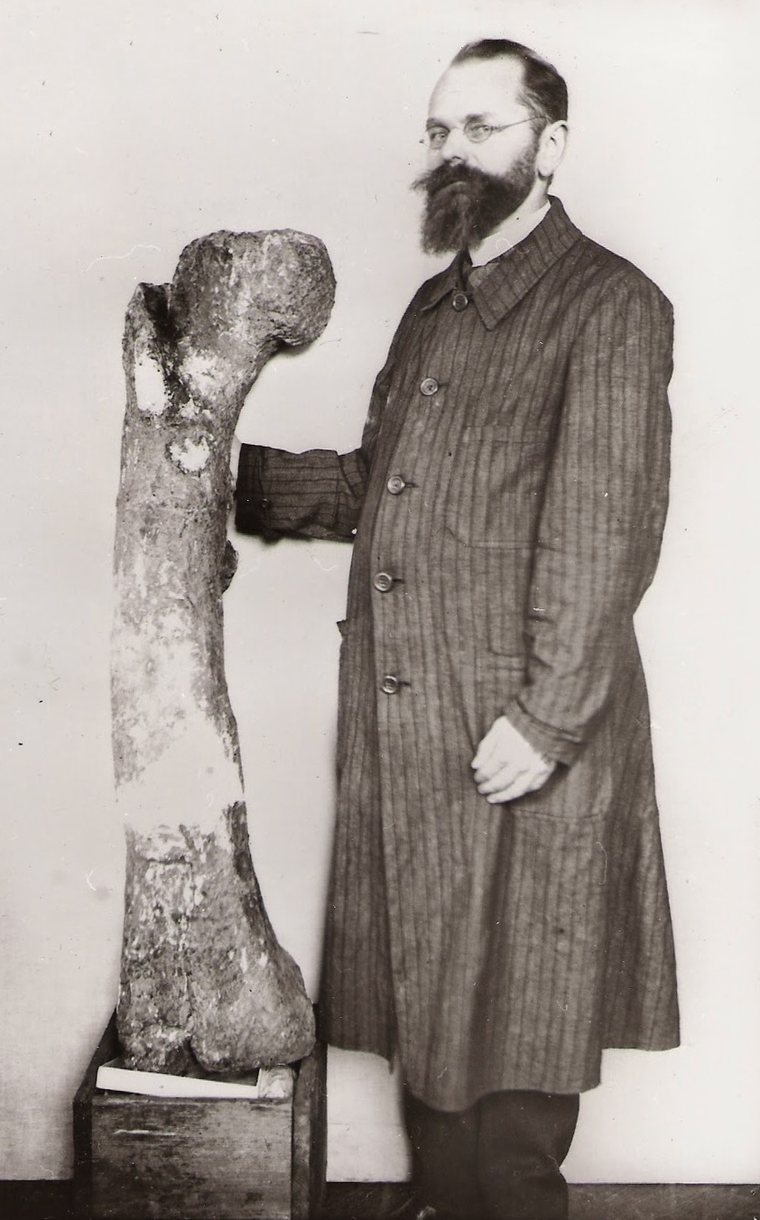
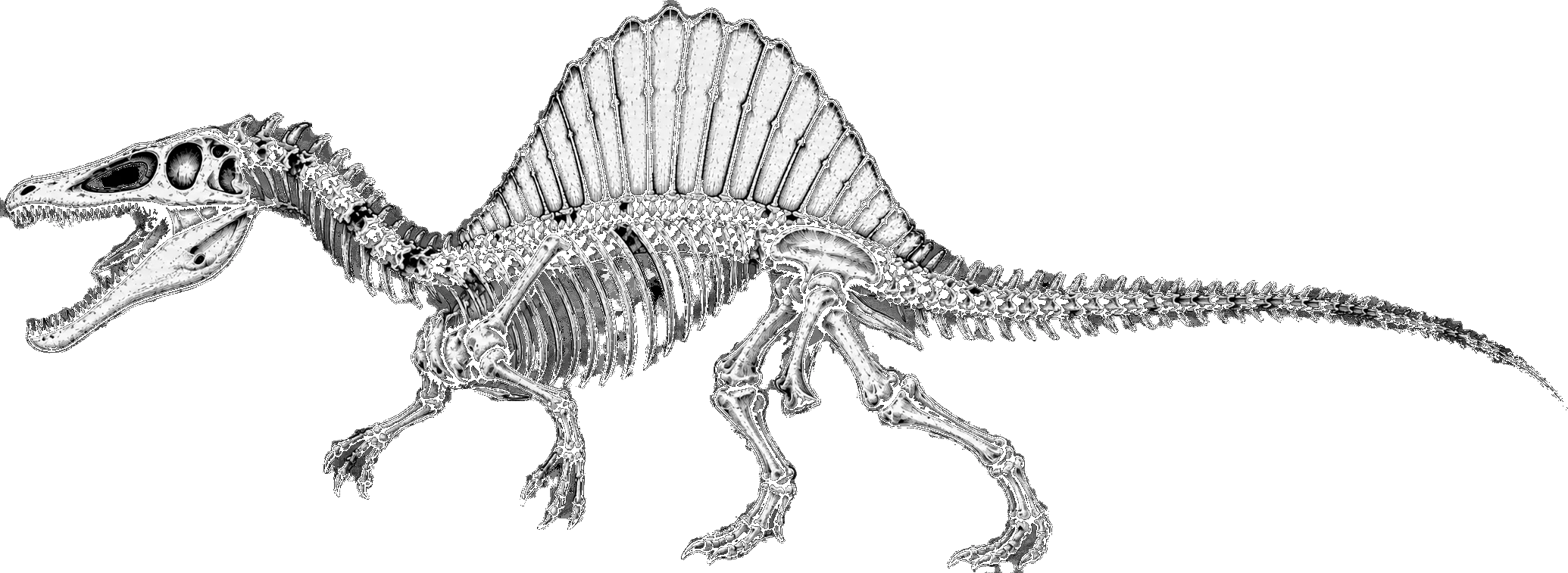
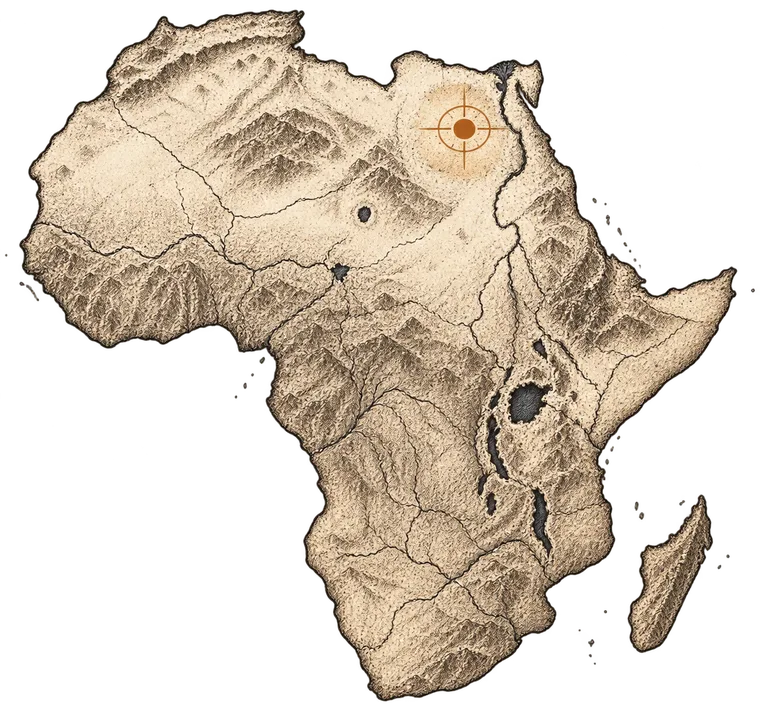
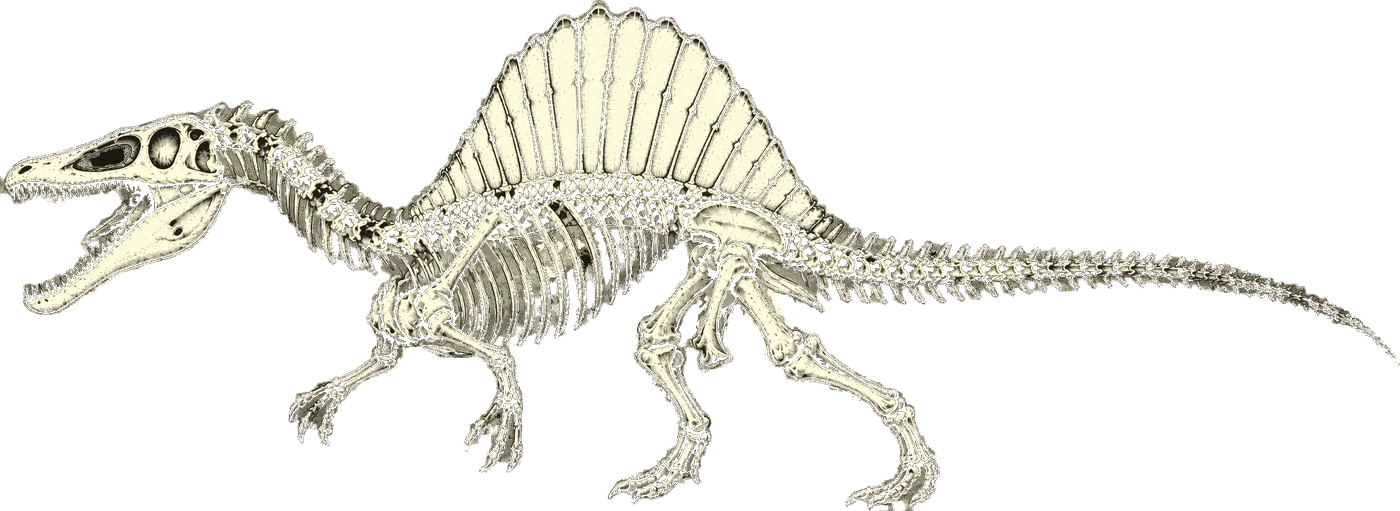
German palaeontologist Ernst Stromer uncovered the first Spinosaurus bones in the Egyptian desert in 1912 and gave the giant its name in 1915. Working out of the Bahariya Oasis with the fossil collector Richard Markgraf, he drew a whole lost world of predators up out of the sand.
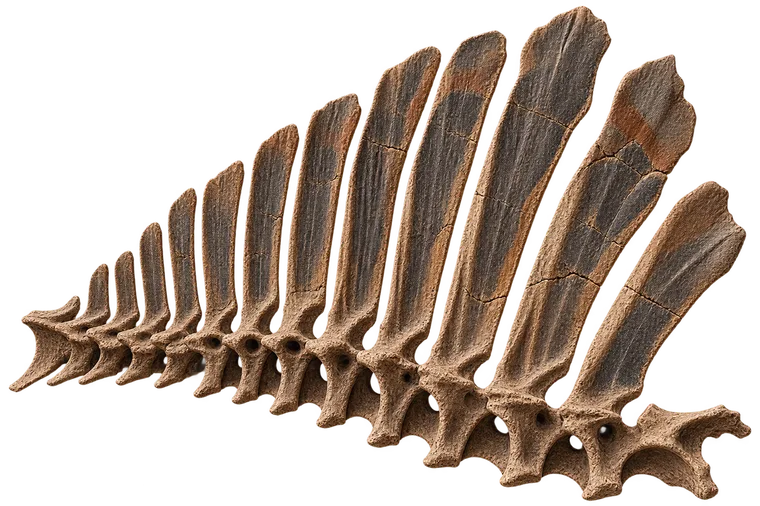
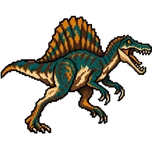
The creature was unlike anything on record: a fish-eater longer than a city bus, its back crowned with a sail of skin more than a metre and a half high. It would take almost a century for science to catch up with what he had found.
The bones that vanished
Then history turned on him. An outspoken opponent of the Nazis, Stromer was pushed into retirement in 1937. He pleaded with the museum in Munich to move his fossils to safety. The director, a party loyalist, refused. On the night of 24 to 25 April 1944, RAF bombers struck the building and the only Spinosaurus skeleton on Earth was destroyed.
Two of his three sons died on the Eastern Front; the last came home from a Soviet camp in 1951, and Stromer died a year later. For almost seventy years, all that survived of Spinosaurus were his careful drawings, until new bones finally surfaced in the Moroccan desert.