
What the sail actually was
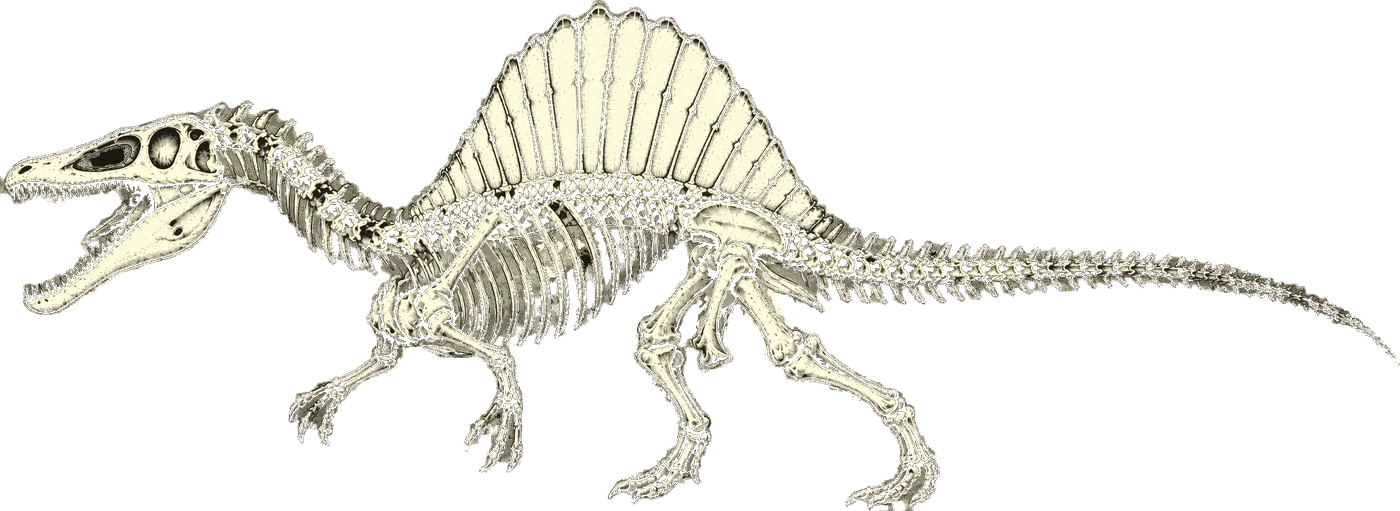
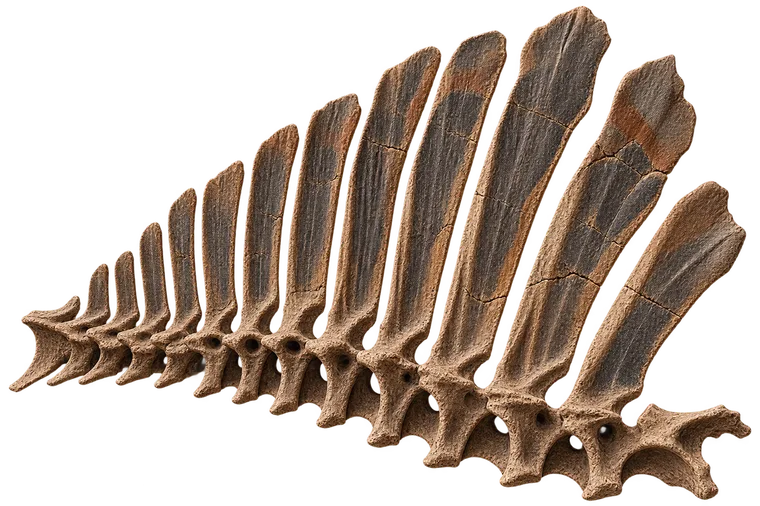
The sail was formed by greatly elongated neural spines, bony extensions rising from the backbone, some standing over 1.6 metres tall. In life these were bound together by skin, forming a tall, thin structure along the animal's back rather than a fatty hump.
The leading theories
- Display and species recognition, a giant billboard to attract mates or warn rivals. This is the most widely favoured idea.
- Temperature regulation, catching the sun to warm up or shedding heat, like a radiator.
- Fat storage, if the spines supported a fleshier ridge, though the thin, blade-like spines argue against this.
- A stabiliser or signalling structure while swimming, since the rest of the animal was so water-adapted.
Why there is no final answer
The soft tissue that would settle the question did not fossilise, so scientists are left reasoning from the bones. A sail can serve more than one purpose at once, and the current balance of opinion leans toward display and species recognition as the main role, with other functions possible on top.