
A fish-eater's toolkit
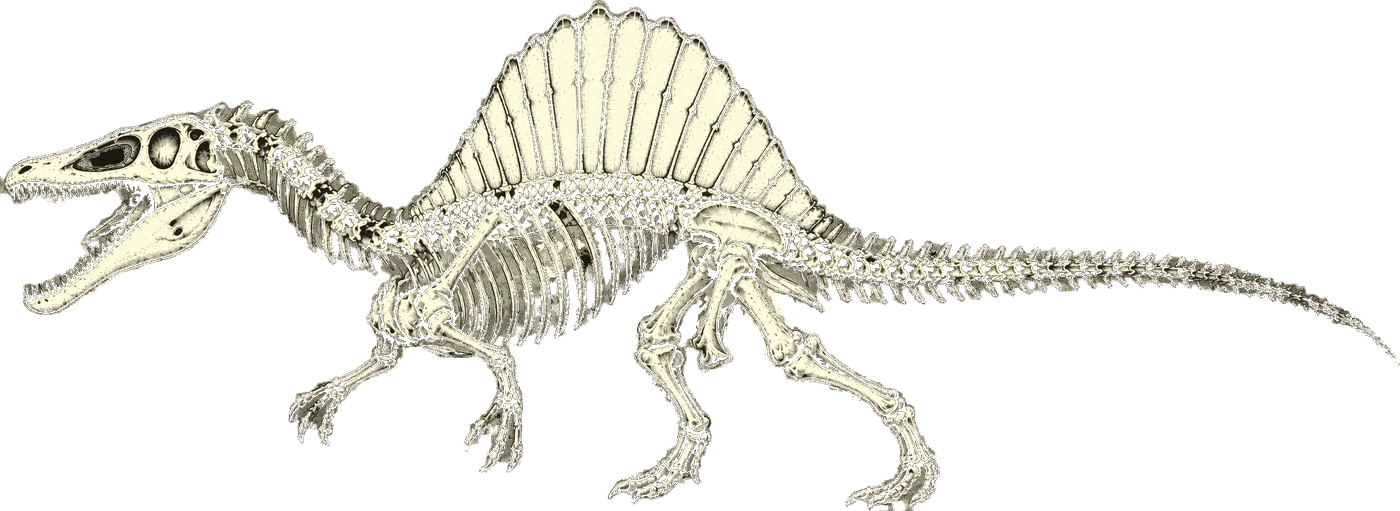
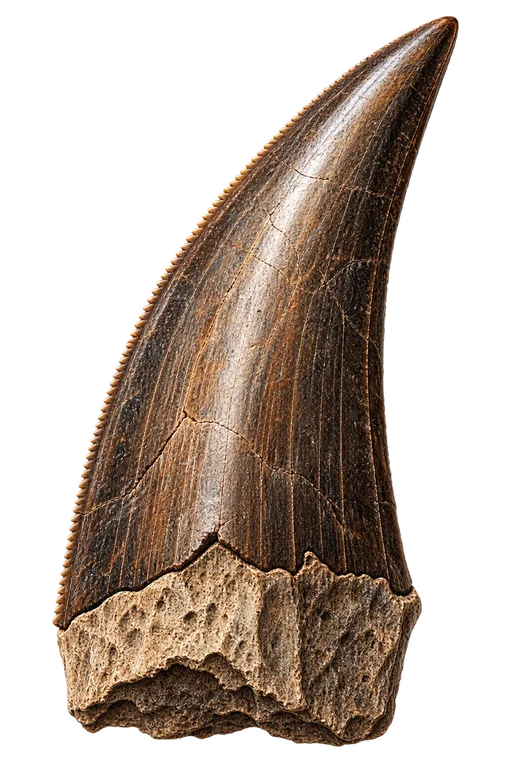
Everything about Spinosaurus's head points to catching fish. Its jaws were long and narrow, snapping shut with little water resistance. Its teeth were straight, smooth and cone-shaped, perfect for gripping slippery prey but poor for slicing flesh. And the tip of its snout carried pressure-sensing pits that could feel prey moving in murky water, much like a modern crocodile.
What was on the menu
- Coelacanths, some as big as a car
- Lungfish
- Sawfish such as the giant Onchopristis
- Smaller dinosaurs and reptiles near the water
- Carrion when the chance came
How we know
The evidence stacks up: the fish-catching jaw and teeth, the pressure-sensing snout, and spinosaurid remains found alongside fish scales. Chemical studies of the bones also point to a life spent hunting in water. Like a modern grizzly at a salmon run, Spinosaurus almost certainly took whatever it could, but fish were the staple that let such a giant thrive.